
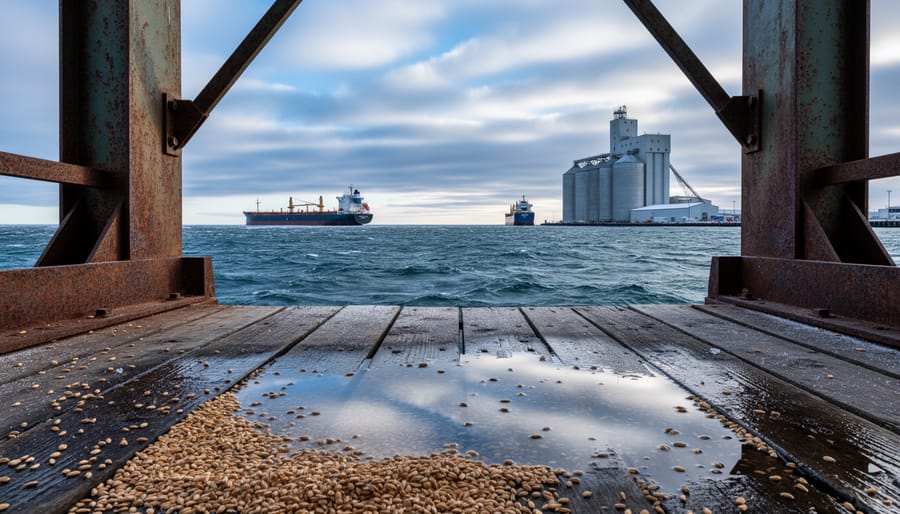
VPGC Grain Pricing Through Churchill Port: What Prairie Farmers Should Know in 2026

If you’re searching for “VPGC grain” pricing through Churchill Port, you’ve likely encountered a term that doesn’t exist in grain industry parlance. There’s no recognized commodity category, grading system, or logistics framework called VPGC in Canadian agriculture or grain handling.
What does exist is Churchill Port itself, a historic gateway on Hudson Bay that once moved over half a million tonnes of prairie wheat, canola, and barley to international markets each season. The port offered western Canadian farmers an alternative shipping route that could trim hundreds of kilometers from the journey to European and overseas buyers. Real costs at Churchill fluctuated based on grain type, volume, destination port, rail freight from the prairies, terminal handling fees, vessel availability, and currency swings between the Canadian dollar and buyers’ currencies.
Since Churchill’s grain operations suspended in 2016 following severe rail line damage and ownership uncertainty, pricing information has become historic rather than current. The Port reopened for other cargo in 2019 under Arctic Gateway Group ownership, and grain shipments resumed on a trial basis in recent years, but capacity and pricing remain in flux as infrastructure rebuilds.
Understanding what drives grain costs through any northern port requires untangling freight logistics, terminal capacity, seasonal ice windows, and the premium or discount farmers accept compared to traditional Thunder Bay or Vancouver routes. For prairie producers weighing shipping options, the equation balances distance savings against handling efficiency, vessel schedules, and the reliability of year-round access. Churchill’s story intertwines industrial agriculture with remote infrastructure, a reminder that even commodity pricing carries the weight of geography, history, and the resilience of communities built around a single lifeline to global markets.
Understanding Churchill Port and Prairie Grain Terminology
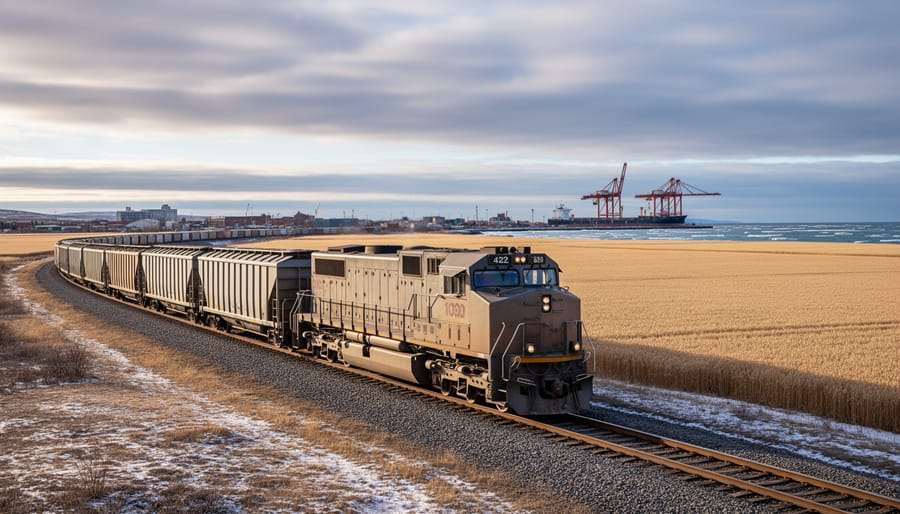
Churchill Port sits at the mouth of the Churchill River on Hudson Bay’s western shore, roughly 1,000 kilometers north of Winnipeg. Built in the late 1920s and opened in 1931, it was designed specifically to give prairie grain farmers a shorter shipping route to European markets than the traditional routes through Thunder Bay or Vancouver. The port operates as a deep-water facility accessible only during the summer navigation season, when Arctic ice retreats enough to allow ocean-going vessels through Hudson Strait.
First, let’s address the terminology confusion: “VPGC grain” isn’t an established term in the grain industry. If you’ve encountered this phrase, it may stem from confusion with port codes, shipping documents, or regional shorthand that hasn’t gained wider recognition. Prairie grain pricing and logistics don’t operate under a “VPGC framework.” Instead, the industry uses standardized terminology that applies whether grain ships through Churchill, Thunder Bay, or any other port.
The key terms that actually govern what farmers receive include basis and cash price (the local elevator price relative to futures contracts), elevation charges (fees to unload, clean, and load grain at terminals), and freight rates (transportation costs from farm to port). Basis reflects local supply, demand, and logistics costs. Elevation charges cover the handling infrastructure at both inland elevators and port terminals. Freight rates depend on distance, rail capacity, and fuel costs.
Understanding these standard industry concepts matters more than chasing undefined terminology. When grain moves through Churchill, farmers and grain companies analyze these same cost components to determine whether the northern route makes economic sense compared to alternatives. The same visitors who get to Churchill by train along the Hudson Bay Railway are traveling the route that grain takes southbound from prairie farms before reversing northward to the port.
How Grain Shipping Costs Vary by Route and Distance
Distance is the dominant variable in grain shipping economics through Churchill Port. For farmers in northern Manitoba and Saskatchewan, Churchill can be 500 to 800 kilometres closer than Thunder Bay, Ontario, and over 2,000 kilometres closer than Vancouver. This geography translates directly into rail freight savings, the single largest cost component in moving grain from farm to port.
The catchment area where Churchill routing makes financial sense forms a rough arc across the northern prairies. Producers near The Pas, Flin Flon, and communities along the Hudson Bay Railway corridor face shorter hauls to Churchill than to southern alternatives. As you move south and west from this zone, the distance advantage shrinks. A farmer near Saskatoon might find Churchill and Thunder Bay roughly equidistant, while producers in southern Saskatchewan or Alberta typically face shorter routes to Vancouver or Thunder Bay.
Rail freight rates in Canada operate on a distance-based structure, with per-tonne charges increasing as haul length grows. A 400-kilometre difference in route can shift the entire economic calculation. During Churchill’s brief shipping season, typically late July through early November, these distance advantages must outweigh the port’s constraints: limited infrastructure capacity, smaller vessel sizes that may affect charter rates, and the inability to ship outside the ice-free window.
The competitive radius also shifts with broader market conditions. When Vancouver faces congestion or Thunder Bay reaches capacity, Churchill’s geographic advantage extends further south and west as farmers seek alternatives. Conversely, infrastructure improvements at competing ports can pull the economic boundary northward, shrinking Churchill’s natural catchment area. Understanding your farm’s position within this shifting geography is the first step in evaluating whether Churchill routing merits consideration for your grain marketing strategy.
What Goes Into Grain Shipping Costs Through Churchill
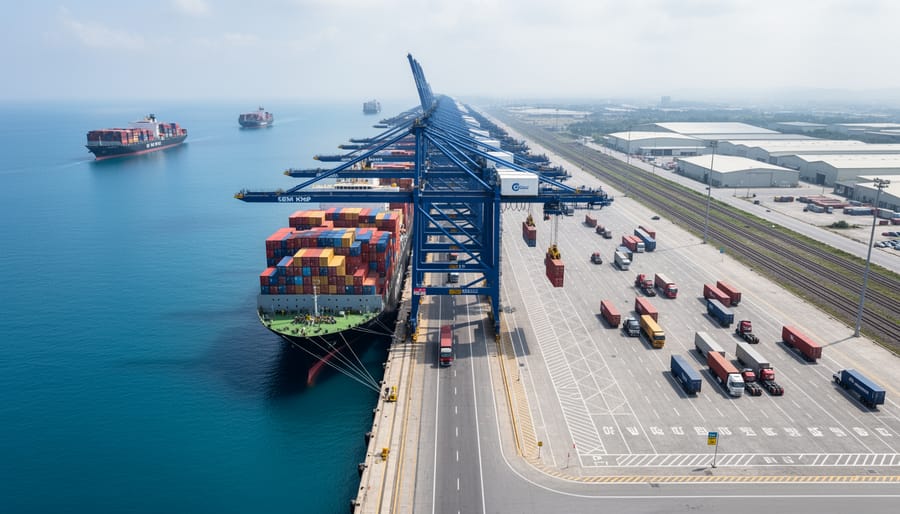
Shipping grain through Churchill Port involves a layered cost structure that farmers and grain companies must navigate carefully. Unlike fabricated pricing frameworks, these are the real components that determine what prairie producers ultimately pay to move their crop north to tidewater.
The journey begins with rail freight, typically the largest single expense. Moving grain from prairie elevators to Churchill requires hauling it hundreds of kilometers over the Hudson Bay Railway line. This cost reflects fuel, labor, equipment maintenance, and the reality that Churchill is a single-destination route without the economies of scale that multi-user prairie corridors enjoy. The further your grain originates from Churchill, the more you pay per tonne for this leg.
Once grain arrives at port, elevation and handling charges apply. These fees cover the physical work of unloading railcars, transferring grain into storage bins, cleaning and blending if needed, and eventually loading vessels. Port operators staff the facility, maintain equipment, and manage inventory during the compressed shipping season. Because Churchill operates only three to four months each year, these fixed costs must be recovered over fewer tonnes than year-round ports handle.
The major cost components break down as follows:
- Rail freight from origin elevator to Churchill Port terminal
- Port elevation charges for unloading, handling, and storing grain
- Cleaning and conditioning fees if grain requires quality upgrades
- Storage costs if grain arrives before vessel loading or waits for shipping space
- Vessel charter rates or shipping line fees for ocean transport
- Marine insurance covering loss or damage during ocean transit
- Documentation and inspection fees for export compliance
Storage becomes a variable expense depending on timing. Grain that flows directly from rail to ship incurs minimal storage fees, but delays from weather, vessel availability, or coordination issues mean grain sits in bins accumulating daily charges. Churchill’s short season intensifies this risk since late arrivals might miss the shipping window entirely.
Vessel charter rates fluctuate with global shipping markets. Smaller vessels that can navigate Churchill’s harbor and draft restrictions cost differently than larger bulk carriers serving Thunder Bay or Vancouver. Insurance premiums reflect the Arctic shipping environment, shorter navigation season, and ice risk at season’s edges. Documentation and inspection fees, while smaller line items, still add up as grain must meet international phytosanitary standards and buyer specifications before export.
Understanding this cost structure helps explain why Churchill routing works economically for some producers and regions but not others. No single component dominates in every scenario; the interplay between transportation distance, timing, and current market conditions determines whether Churchill offers a competitive alternative to southern routes.
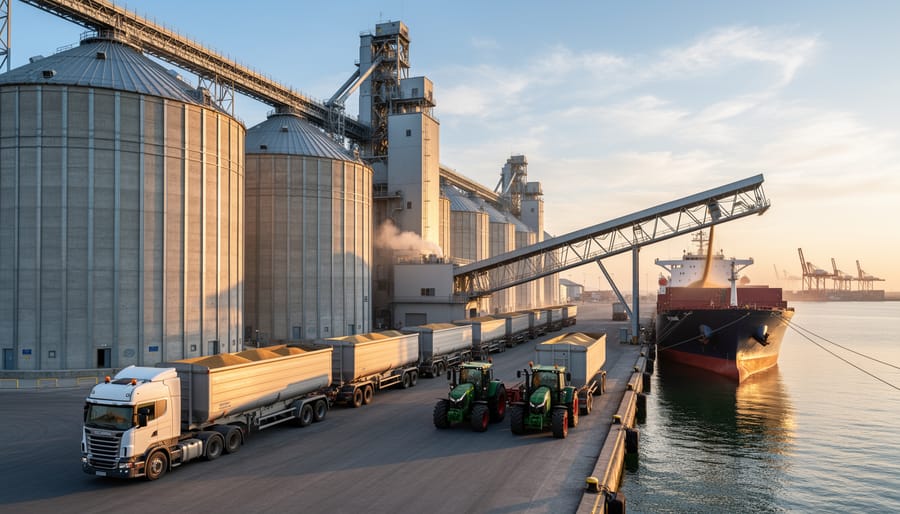
Factors That Influence Prairie Grain Pricing Through Churchill
Churchill’s Seasonal Shipping Window
Churchill Port operates under one of the most compressed shipping calendars in North American grain logistics. The port typically opens for vessel traffic in late July and closes by early November, creating a narrow four-month window that concentrates an entire year’s worth of grain movement into a single intense season.
This compressed timeline stems from Hudson Bay’s ice conditions. While the bay remains ice-covered well into summer, the shipping corridor becomes navigable once ice breaks up in mid-July. Vessels must complete their loading and departure with enough margin to clear Hudson Strait before freeze-up begins, usually aiming for the last ship by late October to avoid ice entrapment risks.
The seasonal constraint creates distinct pricing dynamics. Rail and port capacity must handle concentrated volumes during these few months, which can drive handling rates higher than year-round facilities. Farmers and grain companies planning Churchill shipments face scheduling pressure: delays mean cargo might miss the shipping window entirely, forcing more expensive alternative routes. Vessel charter rates also reflect the compressed season, as ship operators balance limited earning months against positioning costs to reach this remote northern port.
For prairie farmers evaluating Churchill as a shipping option, the seasonal window becomes a critical planning factor that affects both logistics coordination and ultimate grain pricing.
Infrastructure and Capacity Considerations
Churchill Port’s competitiveness hinges on physical infrastructure that has evolved dramatically in recent years. The Hudson Bay Railway line connecting prairie farms to the port underwent major rehabilitation after 2018, restoring track and bridges that had fallen into disrepair. This $117 million federal investment brought the line back to operational standards, but capacity remains modest compared to high-volume routes serving Vancouver or Thunder Bay. The single-track configuration means scheduling constraints during peak shipping windows, when grain movements compete with other freight traffic.
At the port itself, handling infrastructure determines how quickly ships can load and how much grain can move through during the brief navigation season. The terminal features two shiploader berths and grain storage capacity designed for the concentrated summer shipping period. Recent upgrades improved conveyor systems and dust control, making operations more efficient, but the port’s overall throughput capacity is a fraction of year-round southern terminals. This creates a ceiling on how much grain Churchill can handle, which affects whether farmers in any given region can reliably secure shipping slots when they need them. For operators evaluating Churchill as an outlet, infrastructure capacity directly influences whether the port offers a genuine competitive alternative or serves only niche markets when southern routes are congested.
Market Forces and Global Grain Prices
Global grain prices move on supply and demand fundamentals that originate thousands of miles from Churchill. When drought hits major wheat-producing regions like Australia or Argentina, international wheat prices climb, potentially making the economics of shipping through Churchill more favorable despite the port’s higher logistics costs. Strong Chinese demand for canola or European appetite for feed barley can shift which crops and routes make financial sense for prairie exporters. Farmers and grain companies constantly compare what they can net shipping through Churchill versus Thunder Bay or Vancouver, factoring in both the commodity price they’ll receive at destination and the transportation differential. A $20 per tonne swing in international wheat prices can be the difference between Churchill being competitive or sitting idle, regardless of the port’s own handling fees. Quality also matters: premium grades command better prices that can justify longer or more expensive shipping routes, while lower grades need the most cost-efficient path to market.
Direct Shipping vs. Selling to Grain Companies: Trade-offs for Prairie Farmers
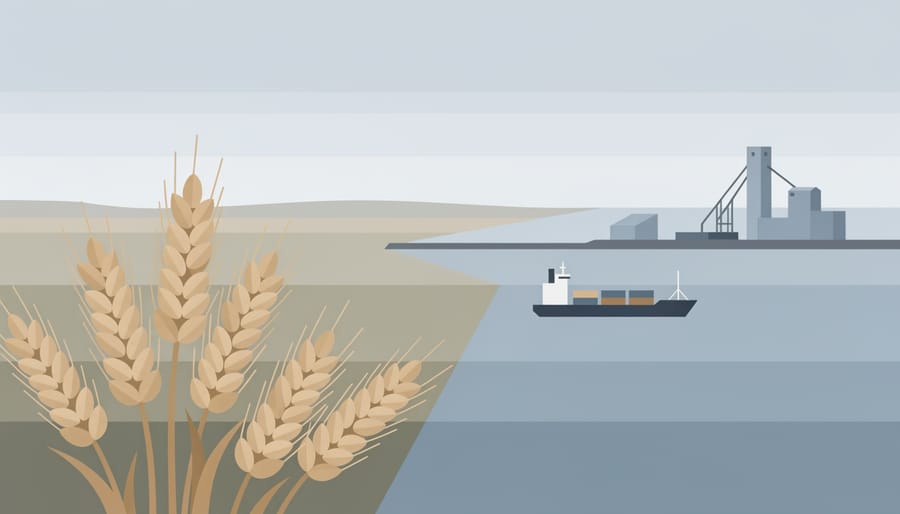
Prairie farmers face a fundamental choice when moving grain: sell locally to established grain companies or take a more active role in coordinating shipments through Churchill Port. Each approach carries distinct responsibilities, risks, and potential rewards that shape the final price received.
Selling to local elevators represents the traditional, streamlined path. Farmers deliver grain to nearby collection points operated by companies like Richardson International, Cargill, or Viterra. These companies handle everything downstream: transportation logistics, port coordination, vessel booking, international sales contracts, and foreign exchange management. The farmer receives a posted price based on current international values minus the company’s transportation costs and margin. This transaction completes in a single step with payment processed quickly, typically within days.
The trade-off is control and transparency. The grain company owns the logistics expertise and market connections but captures the margin between what they pay farmers and what international buyers ultimately pay. Posted elevator prices reflect the company’s assessment of costs to move grain through their chosen route, which may or may not include Churchill depending on seasonal economics and their established shipping patterns.
Direct involvement through producer car programs or coordinated Churchill shipments puts more responsibility on farmers. Under Canadian regulations, licensed producers can order rail cars directly and ship grain to port without selling to an elevator first. Some farmer cooperatives and marketing groups organize collective Churchill shipments to achieve economies of scale while maintaining more control over the marketing chain.
Pros
- Farmers retain more control over timing and destination of their grain shipments.
- Potential for higher returns by eliminating grain company margins and choosing optimal shipping windows.
- Direct access to alternative routes like Churchill can provide competitive pressure on traditional buyers.
- Opportunity to learn market dynamics and develop business skills beyond production.
Cons
- Requires significant time investment to coordinate logistics, track markets, and manage documentation.
- Farmers assume price risk during the transportation and sale period rather than locking in at delivery.
- Demands working capital to cover freight and handling costs before receiving payment from end buyers.
- Necessitates expertise in contracts, shipping terms, quality specifications, and international trade that most farmers lack.
- Coordinated shipments require finding enough participants to fill rail cars and vessels economically.
The capital requirement deserves emphasis. Farmers who arrange their own shipments must cover rail freight, port elevation, and handling costs upfront, then wait for vessel loading, ocean transport, and buyer payment. This timeline can stretch weeks or months, tying up substantial capital that might otherwise fund operations or next season’s inputs.
Churchill’s short shipping season adds another layer of complexity. Farmers targeting Churchill must time harvest, delivery, and rail coordination to hit the port’s July-to-November window. Missing that window means waiting a full year or rerouting at additional cost, unlike year-round ports that offer more flexibility.
Most prairie farmers ultimately choose the elevator system’s convenience despite its lower headline price. The expertise, infrastructure, and market access grain companies provide carry real value that offsets their margin. Direct shipping makes economic sense primarily for larger operations with staff capacity to manage logistics, farming regions close enough to Churchill for competitive freight rates, and crops with quality premiums that reward careful marketing timing.
Churchill Port’s Historical Role in Prairie Grain Economics
Churchill’s story as a grain port began in 1929, when the federal government opened the port and rail line to give prairie farmers a shorter route to European markets. The idea was simple: move wheat north to Hudson Bay instead of east through the Great Lakes or west to Vancouver, cutting transportation distances and costs for producers in central Manitoba and Saskatchewan. For decades, Churchill handled millions of tonnes of wheat, barley, and canola during its brief summer shipping season, becoming a vital alternative when other routes were congested or expensive.
The port’s fortunes rose and fell with grain economics and infrastructure investment. It thrived in the 1950s and 1960s when prairie wheat exports boomed, then declined as global markets shifted and rail competition intensified. By the 1990s, throughput had dropped significantly. The port closed entirely in 2016 after severe flooding damaged the rail line, severing Churchill’s connection to southern grain-producing regions. Many wrote off the facility as obsolete.
Then came the 2018 reopening under new private ownership, which restored rail service and revived grain shipments. The comeback wasn’t just economic, it became a symbol of northern resilience and the determination to maintain prairie farmers’ shipping options. Today, Churchill handles a fraction of its historical peak, but it remains strategically important for producers seeking alternatives to congested southern routes and for communities advocating northern economic development.
For visitors, this industrial heritage adds depth to Churchill’s identity beyond polar bears and northern lights. The grain elevators and port infrastructure you’ll see aren’t museum pieces, they’re working facilities that connect prairie agriculture to global markets through one of Canada’s most remote deepwater ports. That blend of economic purpose and geographic isolation makes Churchill’s grain story uniquely compelling.
Where the Money Goes
When grain moves through Churchill Port, the total shipping cost divides across several major categories. Rail freight from prairie elevators to Churchill typically represents the largest single expense, covering the cost of moving loaded hopper cars hundreds of kilometers north. This charge varies based on distance and the railway’s published rates, which change periodically.
Port elevation and handling fees cover the physical movement of grain from rail cars into storage and then onto vessels. These charges pay for the infrastructure, equipment operation, and labor needed to transfer grain efficiently. Storage costs apply when grain sits at the port terminal awaiting vessel loading, calculated per tonne per day.
Vessel charter and marine freight represent another substantial component, covering the ship rental and crew costs for ocean transport to international markets. These rates fluctuate based on global shipping demand, fuel prices, and vessel availability during Churchill’s limited navigation season.
Insurance, inspection, and documentation fees round out the cost structure, protecting against loss and ensuring grain meets quality standards and export requirements. Administrative costs for coordinating the entire logistics chain also factor into the final price farmers receive or pay.
What Changes the Price
Grain pricing through Churchill shifts constantly as market conditions change. International demand drives the baseline commodity price, when global buyers need Canadian wheat or canola, farmgate values climb regardless of the port you choose. Conversely, abundant harvests in competing nations push prices down across all shipping routes.
Currency exchange plays a quiet but powerful role. Since grain exports are priced in US dollars, a weaker Canadian dollar effectively boosts returns for prairie farmers, making Churchill and other Canadian ports more attractive. Rail service quality matters too, if CN invests in Hudson Bay Railway upgrades or runs additional unit trains, shipping costs drop and Churchill becomes more competitive against Thunder Bay or West Coast terminals.
Weather throws the wildest cards. A shortened navigation season due to early ice closes Churchill weeks ahead of schedule, forcing last-minute rail diversions that eat into margins. Severe winters can also delay spring track maintenance, compressing the already tight summer shipping window.
Beyond Churchill’s practical logistics, the port connects to the region’s broader identity, travelers who visit polar bear country or seek a Churchill winter adventure often discover this working port adds unexpected depth to their northern experience. Economic realities and wilderness tourism share the same rail line north.
DIY vs Hiring a Pro
For prairie farmers, the choice between direct shipping coordination and selling to established grain companies mirrors decisions travelers face when planning their Churchill itinerary, whether to book a Churchill dog sledding tour independently or through an operator.
Most farmers sell to grain companies rather than coordinating Churchill shipments themselves. Companies handle rail car ordering, port scheduling, vessel contracts, quality certifications, international buyers, and payment collection. Farmers receive immediate payment at local delivery, avoiding months of capital tied up in transit and the risk of price fluctuations or shipping delays.
Coordinating your own shipment through producer car programs or farmer cooperatives can capture additional margin by cutting out the middleman. You’ll manage logistics directly, secure buyers, arrange insurance, and wait for payment until the grain reaches its destination. This requires substantial volume to justify the effort, understanding of international grain contracts, and comfort with market timing risk.
The expertise gap matters most. Grain companies employ specialists who negotiate freight rates, monitor ice conditions affecting Churchill’s shipping window, and maintain buyer relationships across multiple countries. Individual farmers rarely ship enough volume through Churchill to develop this specialized knowledge or command competitive rates on vessel charters and rail slots.
At-a-Glance Details
Churchill Port’s grain shipping operations intersect with the region’s unique geography and seasonal rhythms in ways that matter whether you’re researching agricultural logistics or planning a northern visit. The table below distills key operational details that shape both grain movement and tourism timing.
| Aspect | Detail | Implication |
|---|---|---|
| Shipping Season | Late July to early November | Grain operations coincide with prime tourism months; visitors can witness working port activity |
| Primary Grain Types | Wheat, canola, barley, pulses | Standard prairie crops, not specialized categories; no industry-recognized “VPGC” classification exists |
| Rail Distance from Prairies | Varies by farm location; northern Manitoba farms closer than southern | Transportation economics favor farms within Churchill’s geographic catchment area |
| Port Capacity | Limited compared to Thunder Bay or Vancouver | Seasonal concentration creates unique logistics coordination; smaller scale offers niche opportunities |
Understanding these fundamentals helps clarify Churchill Port’s actual role in prairie grain movement rather than relying on non-standard terminology. Visitors interested in Churchill’s working heritage can time trips during shipping season to observe grain operations alongside wildlife viewing. Our Churchill travel guide provides seasonal timing details, while resources to plan your Churchill trip help coordinate port heritage experiences with natural attractions.
Common Questions About Churchill Port and Grain Shipping
Is ‘VPGC grain’ a recognized industry category or pricing system?
No. VPGC is not established grain industry terminology. Grain shipped through Churchill Port follows standard commodity classifications (wheat, canola, barley) with pricing based on grade, quality, and market fundamentals, not a separate VPGC framework.
How can farmers get current shipping rates through Churchill Port?
Contact Churchill’s port operator directly or speak with your grain buyer about routing options. Rates vary by season, vessel availability, and rail capacity, so quotes are customized rather than published on a standard schedule.
Can visitors tour the grain terminal during Churchill trips?
The port is an active industrial facility with limited public access during shipping season. Some heritage tours in Churchill include views of the terminal from public areas and discuss its history, but operational tours typically aren’t available to general tourists.
Is Churchill Port still a viable shipping option for prairie grain in 2026?
Yes, though it serves a specific niche. The port handles a fraction of prairie grain volumes compared to Thunder Bay or Pacific terminals, but remains economically competitive for certain northern producers during its summer shipping window, particularly when southern routes face congestion.
When planning a Churchill visit, you won’t find detailed grain pricing charts at tourist information centers, this remains a specialized commercial topic. However, several local museums and interpretive centers include exhibits about the port’s construction and role in prairie agriculture history. The Parks Canada visitor center occasionally features displays connecting Churchill’s transportation infrastructure to the broader story of northern development.
If you’re genuinely researching grain logistics rather than just curious during a polar bear trip, reach out to agricultural extension services in Manitoba or Saskatchewan. They maintain relationships with grain companies and can point you toward current market information. The Canadian Grain Commission website provides regulatory information and general industry context, though it won’t quote specific Churchill shipping costs.
The port itself becomes most visible to visitors during late summer and early autumn, when grain ships appear in the harbor and rail activity increases. Walking along the waterfront, you’ll see the terminal’s distinctive concrete elevators, massive structures that define Churchill’s industrial skyline alongside its natural beauty. That juxtaposition, where working grain infrastructure meets polar bear territory, makes Churchill unique among Canadian ports.
Planning Your Visit to Churchill: Witnessing a Working Grain Port
Churchill’s grain port operates during a compressed summer shipping season, typically from late July through early November when ice conditions permit vessel navigation. If you visit during these months, you’ll witness an active industrial waterfront that few tourists associate with this polar bear capital, grain elevators loading vessels bound for international markets, the rumble of rail cars delivering prairie wheat and barley, and the choreography of port operations that connect Manitoba farmland to global trade routes.
The port facility sits along the western edge of Churchill, visible from several vantage points in town. While active grain loading areas are restricted for safety and security, you can observe operations from public roads and shoreline access points. The sight of a grain vessel docked at the port, with conveyors transferring thousands of tonnes of prairie harvest into holds, offers a striking contrast to the wilderness that defines most visitors’ Churchill experience.
To incorporate Churchill’s working port heritage into your visit, follow these steps:
- Time your visit between late July and early November when grain shipping is active and vessels are present at the dock.
- Check with the Parks Canada visitor centre or local tour operators about current port viewing opportunities and any guided heritage tours that include industrial history.
- Walk or drive along the western waterfront roads for views of the port infrastructure, grain elevators, and any vessels in harbour, bring binoculars for a closer look at operations.
- Visit the Itsanitaq Museum or Eskimo Museum, which include exhibits on Churchill’s railway and port development alongside their cultural and natural history displays.
- Ask your polar bear or beluga tour operator about the port’s role in local economy; many guides incorporate this context into their narrative about Churchill’s past and present.
Understanding that Churchill functions as both wilderness gateway and working port deepens your appreciation for this community’s complexity. The grain elevators standing against the tundra horizon tell a century-long story of prairie agriculture seeking northern shipping routes, a narrative that complements the wildlife encounters that draw most visitors north.
While “VPGC grain” isn’t recognized terminology in the grain industry, exploring Churchill Port’s actual role in prairie grain logistics offers valuable insight into this northern community’s economic backbone. The port’s summer shipping season, its unique position as Canada’s only Arctic deep-water port, and its connection to prairie agriculture reveal dimensions of Churchill that complement the polar bears and beluga whales drawing most visitors north.
Understanding the real cost structures, seasonal constraints, and transportation variables that govern grain movement through Churchill adds depth to any visit. When you witness grain cars rolling toward the port or see vessels loading wheat bound for international markets, you’re observing a working piece of prairie history that has shaped this region since 1931. Churchill isn’t just a wildlife destination, it’s a functioning port community where industrial heritage and natural wonders coexist.
Consider timing your visit during the late summer or early fall shipping window, when you might see grain operations firsthand. Ask local guides about the port’s history, visit the Itsanitaq Museum for context on Churchill’s development, and appreciate how this remote community serves as a vital link between prairie farms and global markets. Churchill’s story is richer when you understand both its natural magnificence and its practical importance to Canadian agriculture.
